
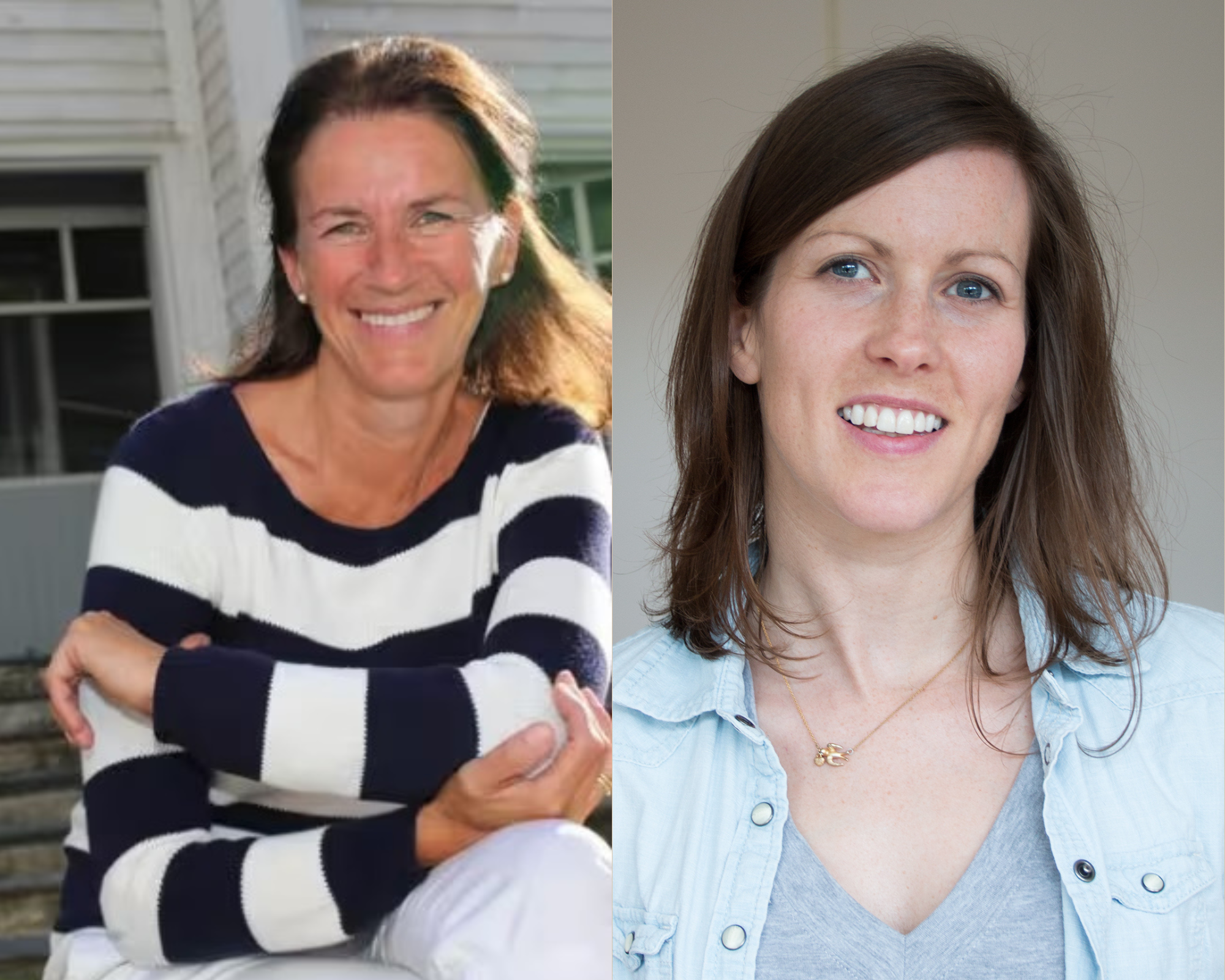
Over the past three years, researchers at the Centre for Ageing and Nursing Home Medicine (SEFAS) at the University of Bergen have been investigating how radar technology from Vitalthings and wearables can improve care in the final stages of life. “The sensors have been important because they provide us with highly reliable behavioural and sleep data,” says Bettina Husebø, a professor at the Department of Global Health and Community Medicine and head of SEFAS.
Centre for Geriatric and Nursing Home Medicine (SEFAS)
- In 2012, SEFAS – the country’s first centre for geriatric and nursing home medicine – was established by the University of Bergen in collaboration with the GC Rieber Foundations.
- SEFAS focuses on older adults and people with complex conditions, including neurological conditions such as dementia and Parkinson’s disease.
- SEFAS aims to contribute to better health and care at the end of life for older people living at home or in care homes, by promoting research-based knowledge about age-related diseases, care services and the living conditions of all those involved.
- Vitalthings has been working with SEFAS since 2017.
– In the long term, the sensors will provide us with even more precise data on agitation, activity, heart rate, respiration and sleep patterns. This data can help us better understand how medicines work in the body and how patients respond to treatment. Our long-term goal is to be able to identify deterioration and point of no return for patients in the final stages of life, says Husebø.
Sensors provide more objective data
Husebø qualified as a doctor at the University of Bonn in Germany, specialising in anaesthesia and intensive care medicine, as well as palliative care. She moved to Bergen and Norway 30 years ago. Over the years, she has built an impressive research career and has long since become a leading figure in research into end-of-life care.
(…) the fact is that we know very little about how the body responds to medication. With the help of sensors such as Somnofy and Guardian H10, we may eventually be able to obtain objective and more precise data on their effects.
Bettina Husebø, Professor at the Department of Global Health and Community Medicine
Husebø’s research began with a clinical problem: older people with severe dementia are underdiagnosed and undertreated for pain. This led to the development and testing of the MOBID-2 pain scale, which is still in use today and enables healthcare professionals to assess patients’ vocalisations of pain, facial expressions and attempts to alleviate pain. The instrument has been translated into seven languages and is used in several countries.
With sensor technology such as Somnofy (the predecessor to Vitalthings’ Guardian H10), researchers and clinicians now have tools that have the potential to help them understand how medicines affect patients. This is particularly important because medicines have a significant placebo effect.
– In our pain studies, we see that the placebo effect is very strong. Care staff believe they can see that the patient is in less pain, but the fact is that we know very little about how the body responds to medication. With the help of sensors such as Somnofy and Guardian H10, we will eventually be able to obtain objective and more precise data on the effect they have on the patient. We use sensor technology to monitor respiration, heart rate, apathy and breathing, and try to combine these symptoms to understand how the patient is responding, says Husebø.
Digital biomarkers provide more detailed insights into sleep and activity
Since SEFAS was established in 2012, the centre now has 28 staff members. One of them is Lydia Boyle. She qualified as a physiotherapist at the University of Texas and moved to Bergen and Norway in 2015, where she set up her own sports medicine clinic. She is currently a PhD candidate and coordinating researcher for DIPH.DEM – an observational study and part of the institute’s 5-D project, which is supported by the European Research Council (ERC). Boyle has also received funding from Helse Vest for her research.
Digital biomarkers provide a more detailed insight into patients’ sleep and activity patterns, and can complement traditional questionnaires.
In his observational study, Boyle has examined sensor technology and digital phenotyping (the observation, measurement and recording of physical and biological characteristics) of changes in activity at the end of life in people with dementia.
In February this year, Boyle published a research article “The use of sensing technologies to assess sleep quality and physical activity levels in care home residents with dementia who take psychotropic medication every night to treat sleep disturbance: a cross-sectional study” which investigated how sensor technology such as Somnofy can measure sleep and physical activity in care home residents with dementia, based on their use of night-time psychotropic medication. The results showed that residents who were given such medication had more night-time awakenings, poorer sleep regularity and lower levels of physical activity throughout the day compared with those who were not given medication. The most significant negative effects were observed in patients taking medicines with a long half-life. The conclusion was that digital biomarkers provide a more detailed insight into patients’ sleep and activity patterns and can complement traditional questionnaires.
A paradigm shift in elderly care
The SEFAS website states that Norwegian society is ready for a paradigm shift in elderly care. Research shows that more people want to live at home for longer – and, if possible, to die at home as well. It is also a stated political aim that more older people should be able to live safely at home.
Given demographic changes that will lead to a shortage of healthcare staff and a situation where there are more elderly people than young people in the workforce, we will also need to plan for more people spending the final years of their lives at home. In this context, sensor technology that alerts us to pain and changes in health status could prove vital.
Bettina Husebø, Professor at the Department of Global Health and Community Medicine
Bettina Husebø says that in Norway we have a culture of prioritising work capacity over care.
– It’s brilliant that we have care homes in Norway, but very few people want to be there. We know that between 70 and 80 per cent of Norwegians want to die at home, but only six per cent of us have planned for this and actually manage to do so. With demographic changes leading to a shortage of healthcare staff and more elderly people than young people in the workforce, we will also have to plan for more people spending the final stages of their lives at home. This is where sensor technology that alerts us to pain and changes in health status could become important, says Husebø.
Research collaboration as a strategic choice
Ever since its inception, Vitalthings has made a conscious decision to collaborate with leading centres of expertise in relevant fields.
For us, research collaboration is of great value, as it enables us to better understand how our expertise and our products can make a difference.
Bård Benum, CEO of Vitalthings
– We established a partnership with the University of Bergen, through Ståle Pallesen and his team, early on in the field of sleep research. It was a natural step for us to take this further and collaborate with Bettina and her team at SEFAS, given their leading position in the field of elderly care. For us, research collaboration is of great value, as it enables us to better understand how our expertise and products can contribute, as well as to bring new opportunities to the market. Furthermore, it is extremely rewarding for us to be able to contribute to new knowledge within the important areas these organisations are working on,” says Bård Benum, CEO of Vitalthings.
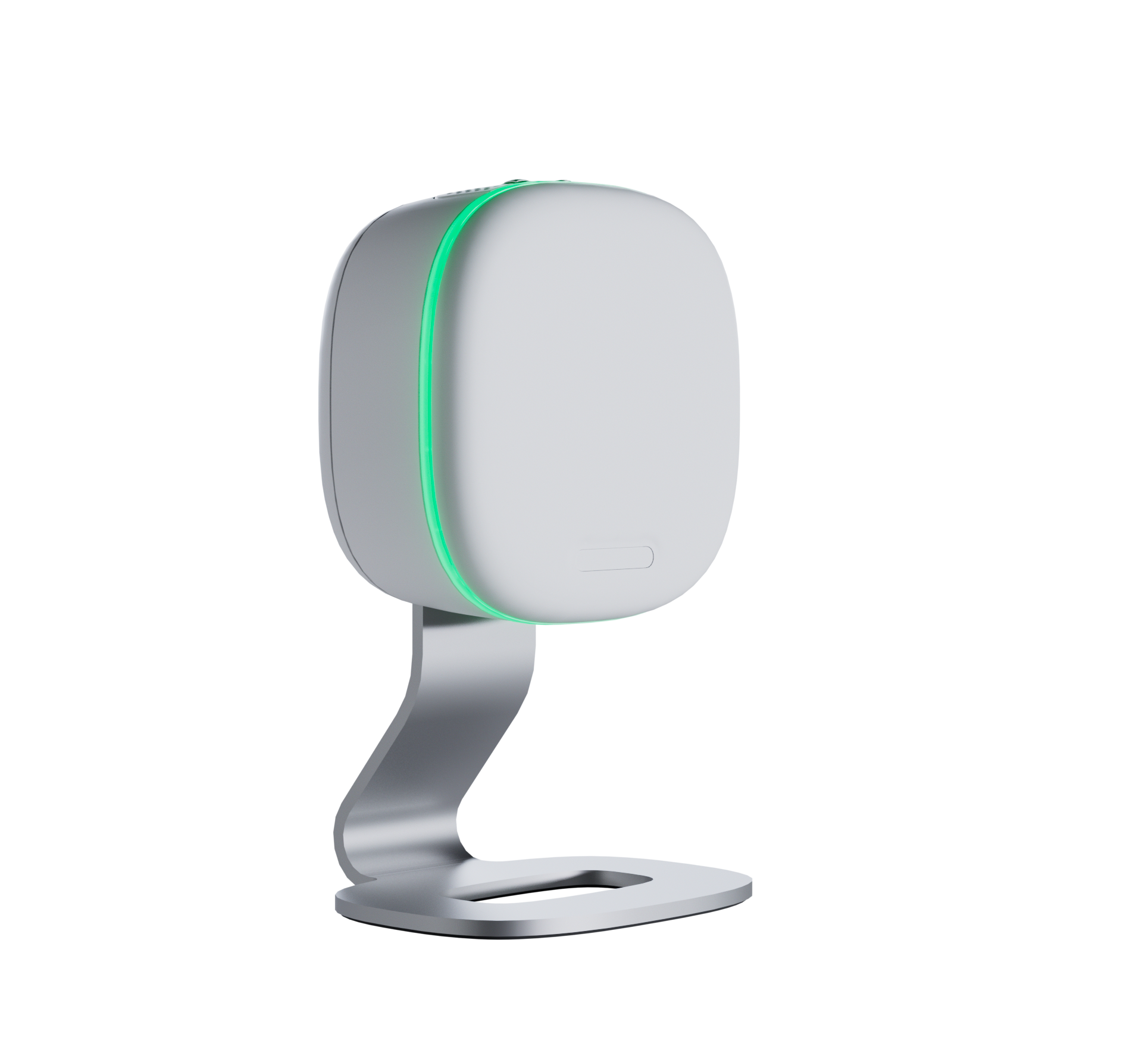
Curious about Vitalthings Guardian H10?
The Vitalthings Guardian H10 is the next generation of digital monitoring and builds on the experience gained from the Somnofy sleep monitor, which was developed in close collaboration with healthcare professionals and users.
The sensor is contactless and reduces the need for physical checks, particularly at night. The Guardian H10 does not use any cameras or sensors on the body, making it non-intrusive and well suited to the user’s safety and comfort.
 EN
EN  NO
NO