
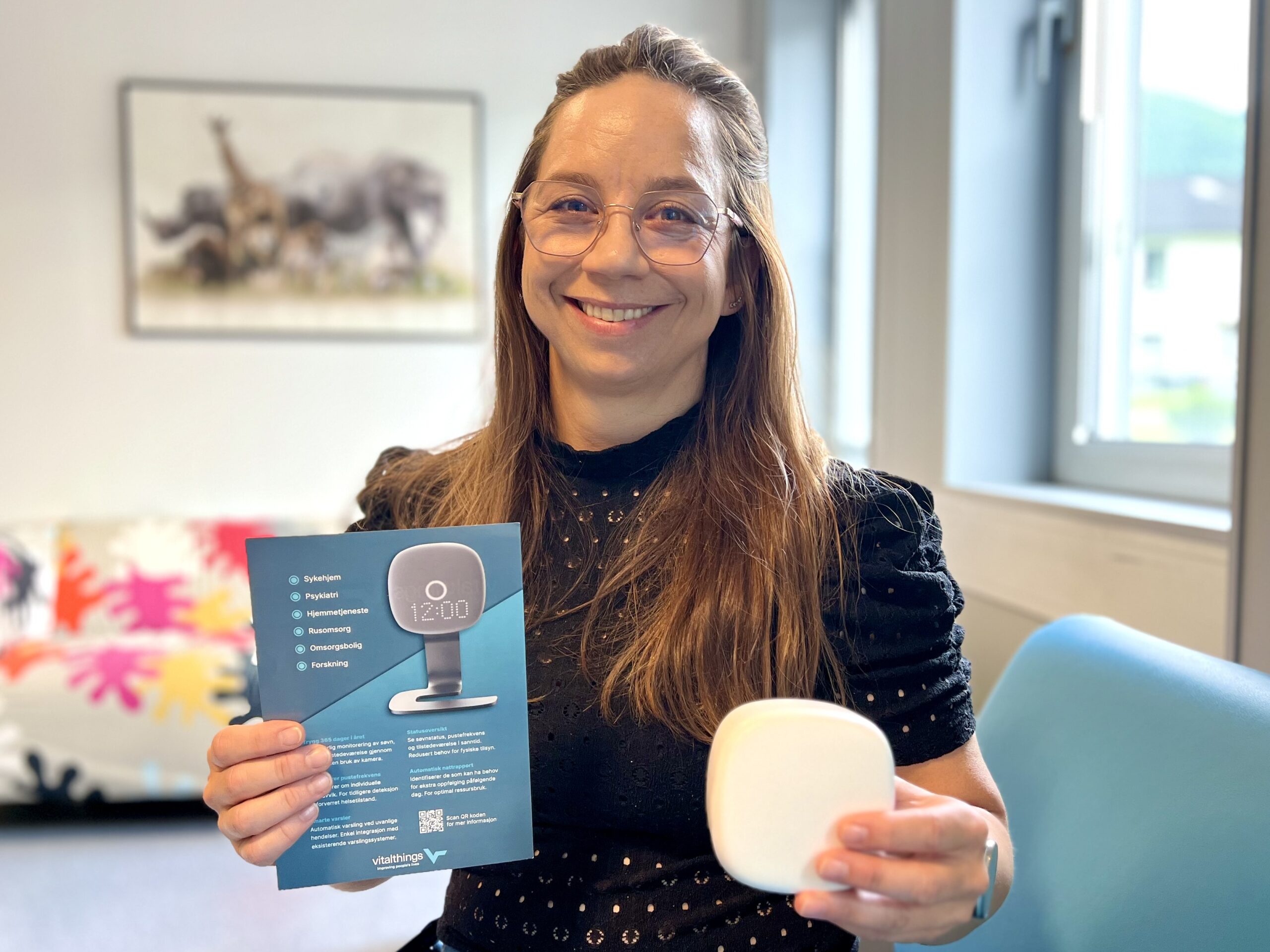
Digital supervision of the use of radar saves millions of dollars, improves the working environment for employees and increases patient safety. This form of digital supervision is less intrusive than digital supervision with cameras and physical supervision. These are the conclusions of three mini-methodological assessments prepared by the municipalities of Stad, Luster and Stryn with guidance from the Norwegian Institute of Public Health.
With digital monitoring, we get continuous monitoring that allows us to quickly identify changes and unrest, while avoiding waking residents when it is not necessary.
Hilde Barmen
Advisor for welfare technology
Stad municipality
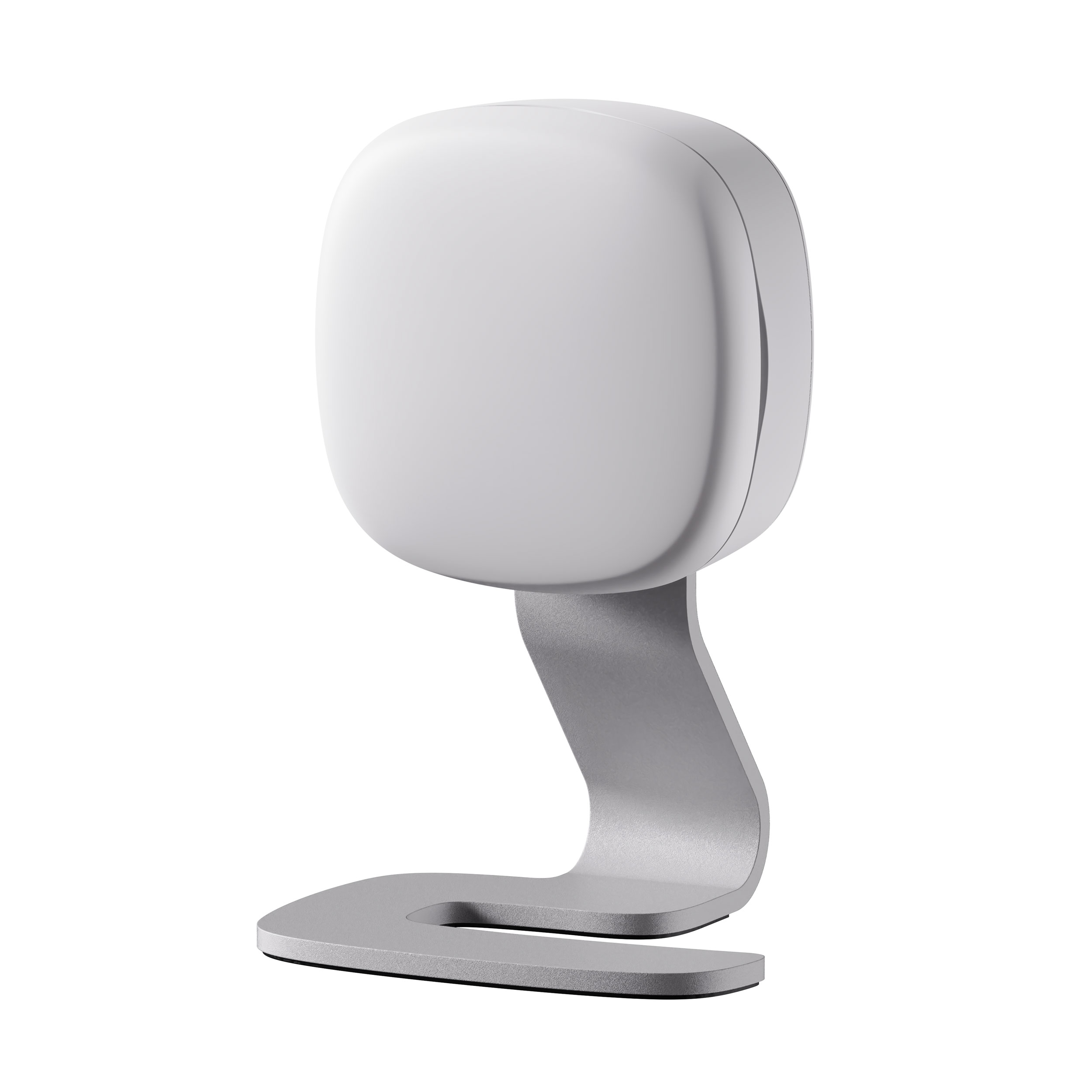
The technology used in the HTA is Vitalthings Somnofy (the precursor to the Guardian H10 - which is currently on the market) - a radar-based system for digital supervision without the use of cameras, which uses artificial intelligence (AI) to interpret sleep using movement and breathing rate information for residents in care homes and institutions.
The reports conclude that digital supervision using a sensor is less invasive for patients and residents than digital supervision using a camera and physical supervision.
The reports also show that digital monitoring can provide decision support, overview and support for night guards. In addition to health and sleep data, it provides important information for detecting and treating infections to prevent further treatment and falls.
According to the reports, an introduction could result in savings of approximately NOK 7 million annually in reduced operating costs in the three municipalities combined. It will halve the number of planned physical inspections at night and free up personnel.
For residents of residential care centres and care homes with 24-hour staffing, it is currently common for the night watchman to carry out regular rounds of physical inspections where they visit the residents at night. The introduction of digital supervision will reduce the need for this resource-intensive routine, while increasing patient safety.
Capture changes and unrest faster
- As a night watchman, you visit most residents three times during the night. During these regular rounds, falls, for example, may not be detected until the next regular round, unless the resident manages to alert you themselves. "Many residents wake up and are disturbed by physical supervision. With digital supervision, we get continuous supervision that allows us to more quickly detect changes and unrest, and at the same time avoid waking the residents when it's not necessary," says Hilde Barmen, health technology advisor at Stad Municipality.
Less invasive
The reports conclude that the introduction of digital supervision can also lead to positive changes related to working hours, staffing, working environment and safety in various ways. For residents, digital monitoring will be less intrusive than physical monitoring, and the specialist health service can obtain more information about the user's sleep quality, breathing rate and agitation.
– This will also increase safety for patients and facilitate better control for employees. The measure also supports section 10-11 of the Working Environment Act, which requires reduced work tasks at night, says Kjell Olav Bondevik, who is an adviser in professional development in health and care in Luster Municipality.
Increased use of welfare technology has been a long-term commitment in Stad and Luster in recent years. They are now in the process of replacing Somnofy with Vitalthings' new Guardian H10, which is ready for medical services. From autumn 2025, Stryn will also start using Guardian H10. This initiative is anchored administratively and politically in the municipality.
– By adopting digital supervision, night guards will have a much better overview of the ward. This can lead to a reduced workload and less stress. The health service is under pressure on resources, so it's important to make it possible for night guards to use their resources on the residents who really need it, while keeping an overview of the other users, says Cecilie Myklebust, occupational therapist and project manager for the mini-method assessment in Stryn municipality.
Facts: Mini-method evaluation of Somnofy as digital night-time supervision in municipalities City, Stryn and Luster
Conclusions:
- Introduction of digital supervision will result in 50% reduction in night supervision
- A total of approximately NOK 7 million in annual savings as a result of changed staffing
- Digital supervision without the use of cameras is less intrusive than physical supervision and supervision with the use of cameras
- Digital supervision provides a better opportunity to allocate staffing and resources to the follow-up of users who need extra follow-up
- The use of digital monitoring can provide valuable information to the specialist health service about sleep, breathing rate and agitation
This will also increase safety for patients and enable staff to have better control.
Kjell Olav Bondevik
advisor in professional development in health and care
Luster Municipality
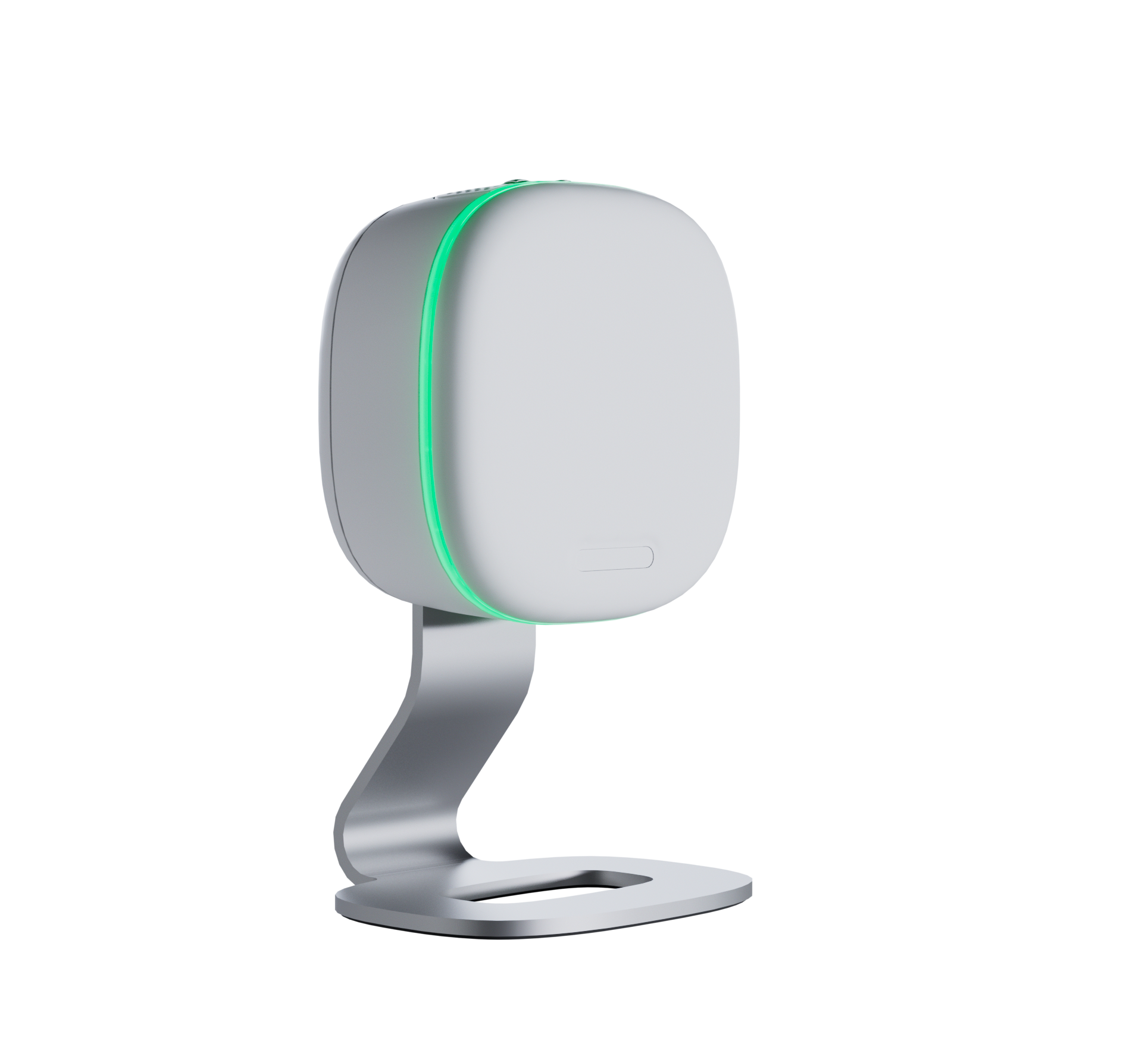
Curious about Vitalthings Guardian H10?
Vitalthings Guardian H10 is our latest contactless health monitor that measures respiratory rate and replaces manual check-ins. Want to know more? Get in touch!
 EN
EN  NO
NO